Summer 2026 applications are now open. Fill out a 2026 Summit Application here!

Summer 2026 applications are now open. Fill out a 2026 Summit Application here!

Summer 2026 applications are now open. Fill out a 2026 Summit Application here!

Summer 2026 applications now open. Apply here!

Lani Ching

Lani Ching

Lani Ching

Lani Ching

Massachusetts, USA

Massachusetts, USA

Massachusetts, USA

Harmonizing STEM and Music for Impact

Harmonizing STEM and Music for Impact

Harmonizing STEM and Music for Impact

Harmonizing STEM and Music for Impact

May 21, 2024

May 21, 2024

May 21, 2024

“Summit was such an incredible experience!

“Summit was such an incredible experience!

“Summit was such an incredible experience!

“Summit was such an incredible experience!

I was provided with so much knowledge, insight, and advice for the future. I’ve always had big ideas, but I’ve never known how to go about pursuing them until now! All of the amazing mentors helped inspire me so much that I even started my own nonprofit. I recommend Summit programs to any students out there who are ambitious and love anything STEM related!”

I was provided with so much knowledge, insight, and advice for the future. I’ve always had big ideas, but I’ve never known how to go about pursuing them until now! All of the amazing mentors helped inspire me so much that I even started my own nonprofit. I recommend Summit programs to any students out there who are ambitious and love anything STEM related!”

I was provided with so much knowledge, insight, and advice for the future. I’ve always had big ideas, but I’ve never known how to go about pursuing them until now! All of the amazing mentors helped inspire me so much that I even started my own nonprofit. I recommend Summit programs to any students out there who are ambitious and love anything STEM related!”

I was provided with so much knowledge, insight, and advice for the future. I’ve always had big ideas, but I’ve never known how to go about pursuing them until now! All of the amazing mentors helped inspire me so much that I even started my own nonprofit. I recommend Summit programs to any students out there who are ambitious and love anything STEM related!”

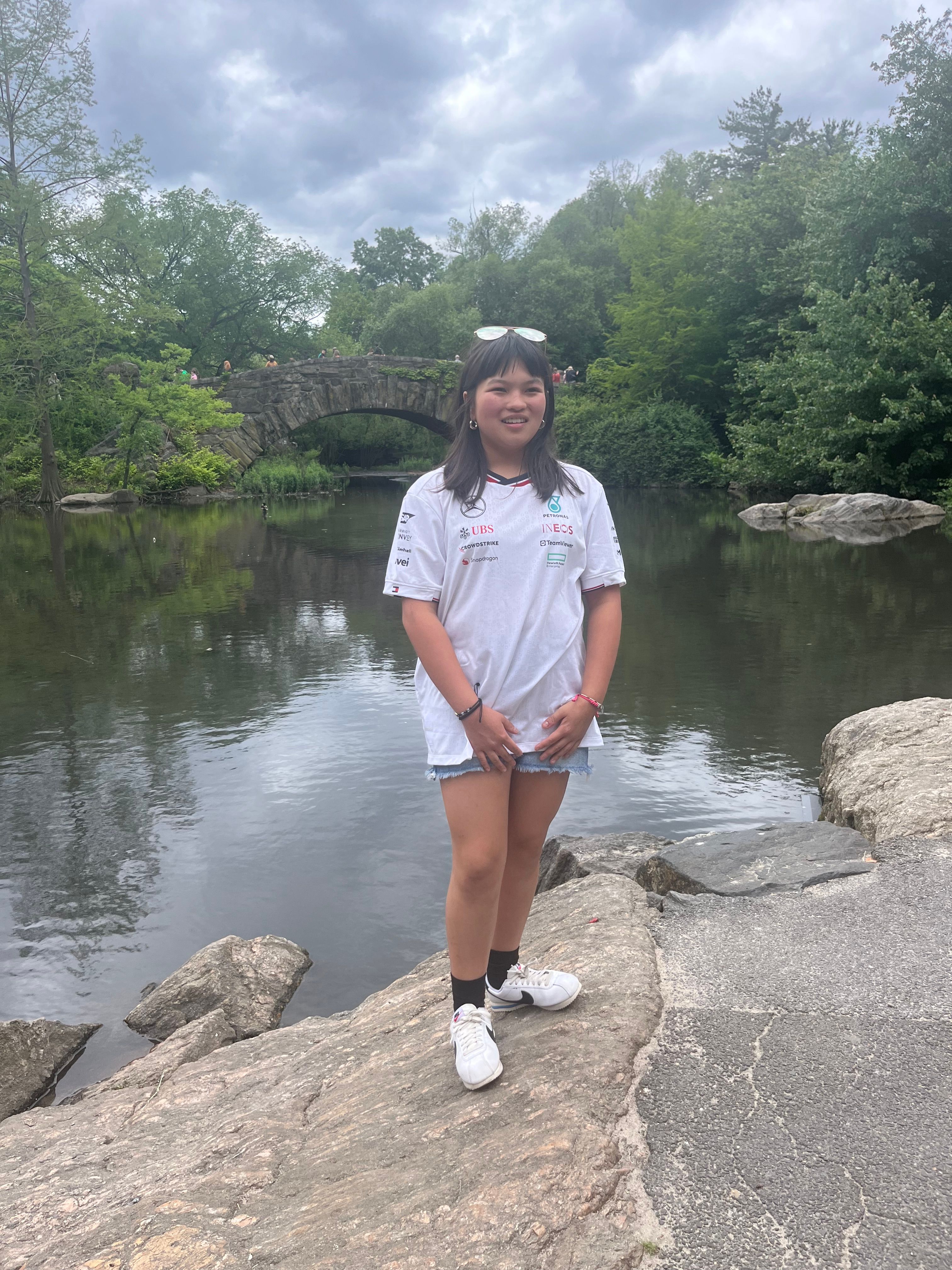
Lani Ching is a high school student from Massachusetts with a passion for biology, chemistry, and giving back to her community. Over the past few years, Lani has participated in science fairs and explored projects ranging from plant biology to microbiology. One of her proudest achievements was discovering that homemade pepper oil-based products could outperform store-bought alternatives in alleviating arthritis. 

Outside of research and her other extracurricular activities, Lani is a talented musician and plays both the flute and piccolo. Over the summer, Lani was inspired by Amanda, an SSF mentor, to launch her own nonprofit, the Melodic Miracles Foundation. The organization supports aspiring young musicians who face financial barriers. Through Lani’s leadership, the foundation has already raised $500 and hosted its first fundraising event. Read on to learn more about Lani’s science fair projects, her music nonprofit, and her future aspirations! 

Meet Lani!

How did you initially become interested in STEM, and what subjects are you interested in? 

I wasn’t really sure what I was interested in at first, but I think it all started in 8th grade when I had an amazing science teacher. He taught me so much about different topics in science, from chemistry and biology to geology. His class was so engaging, and I found it all incredibly interesting. That’s when my passion for science really sparked. 

After that, when I started high school, I really enjoyed my freshman biology class—it made me fall in love with biology. Then, in my sophomore year, I found chemistry to be just as fascinating. Now, as a junior, I’m taking AP Chemistry, and it’s quickly become one of my favorite subjects. So overall, I would say biology and chemistry are now my favorite subjects in STEM. 

What extracurriculars are you involved in? 

I’ve participated in two science fairs so far, and I’m preparing for my third one. Both of my previous projects were biology-based. In my freshman year, I grew pea plants and tested how they grew in different environments. Last year, I focused on microbiology, specifically testing pepper oil-based products used to alleviate arthritis. I created homemade versions of these products and tested them against store-bought versions using bacteria to measure their effectiveness. I found the homemade products were actually more effective overall, which was really exciting. 

I’m also involved in several clubs at school. The one I’m most passionate about is Key Club, where I serve as the historian. I take photos at our events and manage the Instagram page. I also help organize volunteering activities, like working at soup kitchens. It’s such a meaningful club, and I love being a part of it. Additionally, I’m involved in Letters for Rose, where I hold a leadership position. This organization writes letters to older people, particularly those in nursing homes, to help reduce feelings of loneliness. It was started during COVID, and it’s a really thoughtful initiative. 

Outside of clubs, I’m very involved in my high school band. I’ve been part of it since freshman year, and I play both the flute and piccolo. I recently started a non-profit, Melodic Miracles Foundation, to share my love of music with others. 

That's awesome! Could you tell us more about the nonprofit you started? 

The mission of Melodic Miracles Foundation is to support young musicians who want to pursue a music education but may not have the financial means to do so. We have a website, an Instagram page, and a donation platform to keep the momentum going. I set up both an adult board and a student board, and we’ve already raised $500 through donations. We’ve also held one successful fundraising event at a local town event, which went really well. It’s been a lot of hard work, but seeing everything come together has been incredibly rewarding. 

I was actually inspired by one of the mentors from the summer to start this nonprofit. One of the mentors, Amanda, spoke about her nonprofit, Pop for a Cause. I had never heard of a high schooler starting a nonprofit before, and Amanda’s energy and positivity were so motivating. She made the whole process seem approachable, and she shared practical steps she took to turn her idea into a reality. That talk made me realize, “I can actually do this too.” It gave me the confidence to launch Melodic Miracles and take that big leap into creating something impactful. 

Summit STEM Fellowship (SSF) Experience 

What was your favorite part about the Summit STEM Fellowship? 

My favorite part of the fellowship was how supportive everyone was. The mentors were incredibly encouraging, and I really enjoyed meeting the other fellows. It was so refreshing to connect with people who shared similar goals and interests. It was really cool to connect with such amazing individuals. 

One of the highlights for me was the office hours. It was a great opportunity to sit down and talk to mentors. Everyone was so willing to help, and the whole experience was just really positive. I also had a great time meeting other fellows through the Coffee Chats and Ideathons. For example, I worked on a project with one student during the Ideathon, and afterward, we ended up talking about all sorts of random things for hours—it was really cool! 

What was your favorite Fireside Chat from the summer? 

My favorite Fireside Chat was Siya’s. She was incredibly inspiring, and she spoke about how she got started with research in high school. The research she did in high school was amazing, and her story gave me so much motivation to continue pursuing my ideas. 

What really stood out to me about Siya’s Fireside Chat—and this goes for all the speakers in the fellowship—was how applicable the advice was. They didn’t just share their stories—they also gave actionable tips on how we could pursue similar paths. They made it clear that while achieving these goals isn’t easy, it is definitely possible. The combination of inspiration and practical advice was incredibly valuable and has stuck with me as I continue working toward my own goals. 

What was the most valuable lesson you learned? 

The most valuable lesson I learned came from Jiwoo’s talk. She focused on the concept of finding your “North Star,” and that idea really stuck with me. Before the fellowship, I had a general idea of what my North Star was, but I struggled with figuring out how to take concrete steps to achieve it. For me, my North Star is to become a doctor, and that’s the direction I’m working toward. 

Also, through the mentorship and advice from other fellows, I learned how to take big ideas and break them down into actionable steps. This helped me move from just brainstorming to actually accomplishing things, which is something I had always struggled with before. It gave me the tools to actually make progress toward my goals. 

What advice would you give to future participants of the fellowship?

My advice would be to take full advantage of everything the fellowship offers, including the optional activities. The mandatory sessions are really great, but some of the optional ones, like the Ideathons or game nights, gave me even more insight and helped me build stronger connections with the other fellows. If you only participate in the required sessions, you might miss out on forming those meaningful relationships and experiences that really make the fellowship special. Fully engaging in everything the program offers will help you get the most out of it and set you up for great things in the future. The more you put into the fellowship, the more you’ll gain from it.

Summit Research Scholars (SRS) Experience

What was your favorite part of the Summit Research Scholars?

One of my favorite parts about SRS was the community and support, which was similar to what I really liked about SSF. The mentors were always willing to lend a hand if you were struggling, and all the peers gave me such useful advice for pretty much everything that we talked about and learned about. I think it’s just so refreshing to be in a community where everyone is as excited to pursue new things as you are!

A favorite moment was when a peer decided to share her research proposal on EdSTEM and encouraged everyone else to do so. At first, I was a little hesitant to share my own because I was worried that mine wasn’t sophisticated enough. But I’m really glad I did, because I got some incredible advice that strengthened my proposal, and now I think it’s even stronger than it was before!

Can you describe your research topic and why you chose to explore it?

My research question was: What specific genes, DNA, and/or proteins cause certain people’s eczema to flare up in the summer? What connections can we make between genetics and summer allergens? I chose this topic because I’ve struggled with eczema my entire life. I really want to research the specific genetic causes of summer-time eczema, because even though it’s less common, people who experience it still deserve better treatments, and researchers should know more about this condition.

What was the most valuable skill or lesson you learned through SRS?

I realized how rewarding research can be! Because it takes so much effort, finishing my capstone felt incredibly fulfilling. I was really proud that I had developed such a clear and detailed plan for my research going forward! 

One of the most valuable lessons for me was learning how to analyze academic sources. Even though the process was lengthy, it helped me better understand my sources and allowed me to write a more detailed and meaningful literature review. During the deliverables and especially the capstone, I realized research was a lot more work than I had anticipated. 

What advice would you share with future Summit Research Scholars? 

Don’t give up, even when the program feels intense. SRS isn’t designed to be easy—it’s designed to help you become a better thinker and a more innovative creator! When I finished my capstone, I was honestly amazed. The result is more rewarding than you could ever imagine.

Future Aspirations 

What are your career goals? 

I’ve known for a long time that I wanted to be a doctor, but deciding on a specialty wasn’t as clear to me. After hearing the talks during the fellowship, especially about finding your “North Star,” I realized how important it is to pursue something you're truly passionate about. A career should excite you, not bore you, and the fellowship really helped me understand that. 

Now, I think I’m leaning toward dermatology or allergy medicine. Both are areas I’ve personally struggled with, and it’s something I can really resonate with. I’d love to help others who face similar challenges. Reflecting on my own experiences with allergies and skin issues, I realized that helping others manage and alleviate those problems would be really fulfilling for me. Both programs helped me see that dermatology aligns with my interests and passions, and I’m excited for my future. 

How have the programs changed your academic goals?

I’m even more excited about my future! Now that I have a solid research plan, I feel more ready than ever to pursue college research. While researching professors, I noticed that many dermatologists continue doing research even after finishing their education. That really stood out to me. The programs have helped me realize that research and learning never have to stop. You can continue researching and learning at any stage of your life and career! I feel much more confident, and that shift in mindset has been really important for me.

What have you been up to since the programs ended? 

I’m mostly focused on my nonprofit, Melodic Miracles, which I started after being inspired during the programs. We’ve made so much progress in such a short time! We’ve raised over $2,000 and donated about 12 instruments to schools across western Massachusetts. We’ve also started three new chapters in New York, New Jersey, and New Mexico, all founded by students I met through Summit Education programs. Shout out to Skylar Li from New Jersey, Hadassah Ho from New York, and Rubaina Reza from New Mexico for helping me to expand Melodic Miracles across the country!
Lani Ching is a high school student from Massachusetts with a passion for biology, chemistry, and giving back to her community. Over the past few years, Lani has participated in science fairs and explored projects ranging from plant biology to microbiology. One of her proudest achievements was discovering that homemade pepper oil-based products could outperform store-bought alternatives in alleviating arthritis. 

Outside of research and her other extracurricular activities, Lani is a talented musician and plays both the flute and piccolo. Over the summer, Lani was inspired by Amanda, an SSF mentor, to launch her own nonprofit, the Melodic Miracles Foundation. The organization supports aspiring young musicians who face financial barriers. Through Lani’s leadership, the foundation has already raised $500 and hosted its first fundraising event. Read on to learn more about Lani’s science fair projects, her music nonprofit, and her future aspirations! 

Meet Lani!

How did you initially become interested in STEM, and what subjects are you interested in? 

I wasn’t really sure what I was interested in at first, but I think it all started in 8th grade when I had an amazing science teacher. He taught me so much about different topics in science, from chemistry and biology to geology. His class was so engaging, and I found it all incredibly interesting. That’s when my passion for science really sparked. 

After that, when I started high school, I really enjoyed my freshman biology class—it made me fall in love with biology. Then, in my sophomore year, I found chemistry to be just as fascinating. Now, as a junior, I’m taking AP Chemistry, and it’s quickly become one of my favorite subjects. So overall, I would say biology and chemistry are now my favorite subjects in STEM. 

What extracurriculars are you involved in? 

I’ve participated in two science fairs so far, and I’m preparing for my third one. Both of my previous projects were biology-based. In my freshman year, I grew pea plants and tested how they grew in different environments. Last year, I focused on microbiology, specifically testing pepper oil-based products used to alleviate arthritis. I created homemade versions of these products and tested them against store-bought versions using bacteria to measure their effectiveness. I found the homemade products were actually more effective overall, which was really exciting. 

I’m also involved in several clubs at school. The one I’m most passionate about is Key Club, where I serve as the historian. I take photos at our events and manage the Instagram page. I also help organize volunteering activities, like working at soup kitchens. It’s such a meaningful club, and I love being a part of it. Additionally, I’m involved in Letters for Rose, where I hold a leadership position. This organization writes letters to older people, particularly those in nursing homes, to help reduce feelings of loneliness. It was started during COVID, and it’s a really thoughtful initiative. 

Outside of clubs, I’m very involved in my high school band. I’ve been part of it since freshman year, and I play both the flute and piccolo. I recently started a non-profit, Melodic Miracles Foundation, to share my love of music with others. 

That's awesome! Could you tell us more about the nonprofit you started? 

The mission of Melodic Miracles Foundation is to support young musicians who want to pursue a music education but may not have the financial means to do so. We have a website, an Instagram page, and a donation platform to keep the momentum going. I set up both an adult board and a student board, and we’ve already raised $500 through donations. We’ve also held one successful fundraising event at a local town event, which went really well. It’s been a lot of hard work, but seeing everything come together has been incredibly rewarding. 

I was actually inspired by one of the mentors from the summer to start this nonprofit. One of the mentors, Amanda, spoke about her nonprofit, Pop for a Cause. I had never heard of a high schooler starting a nonprofit before, and Amanda’s energy and positivity were so motivating. She made the whole process seem approachable, and she shared practical steps she took to turn her idea into a reality. That talk made me realize, “I can actually do this too.” It gave me the confidence to launch Melodic Miracles and take that big leap into creating something impactful. 

Summit STEM Fellowship (SSF) Experience 

What was your favorite part about the Summit STEM Fellowship? 

My favorite part of the fellowship was how supportive everyone was. The mentors were incredibly encouraging, and I really enjoyed meeting the other fellows. It was so refreshing to connect with people who shared similar goals and interests. It was really cool to connect with such amazing individuals. 

One of the highlights for me was the office hours. It was a great opportunity to sit down and talk to mentors. Everyone was so willing to help, and the whole experience was just really positive. I also had a great time meeting other fellows through the Coffee Chats and Ideathons. For example, I worked on a project with one student during the Ideathon, and afterward, we ended up talking about all sorts of random things for hours—it was really cool! 

What was your favorite Fireside Chat from the summer? 

My favorite Fireside Chat was Siya’s. She was incredibly inspiring, and she spoke about how she got started with research in high school. The research she did in high school was amazing, and her story gave me so much motivation to continue pursuing my ideas. 

What really stood out to me about Siya’s Fireside Chat—and this goes for all the speakers in the fellowship—was how applicable the advice was. They didn’t just share their stories—they also gave actionable tips on how we could pursue similar paths. They made it clear that while achieving these goals isn’t easy, it is definitely possible. The combination of inspiration and practical advice was incredibly valuable and has stuck with me as I continue working toward my own goals. 

What was the most valuable lesson you learned? 

The most valuable lesson I learned came from Jiwoo’s talk. She focused on the concept of finding your “North Star,” and that idea really stuck with me. Before the fellowship, I had a general idea of what my North Star was, but I struggled with figuring out how to take concrete steps to achieve it. For me, my North Star is to become a doctor, and that’s the direction I’m working toward. 

Also, through the mentorship and advice from other fellows, I learned how to take big ideas and break them down into actionable steps. This helped me move from just brainstorming to actually accomplishing things, which is something I had always struggled with before. It gave me the tools to actually make progress toward my goals. 

What advice would you give to future participants of the fellowship?

My advice would be to take full advantage of everything the fellowship offers, including the optional activities. The mandatory sessions are really great, but some of the optional ones, like the Ideathons or game nights, gave me even more insight and helped me build stronger connections with the other fellows. If you only participate in the required sessions, you might miss out on forming those meaningful relationships and experiences that really make the fellowship special. Fully engaging in everything the program offers will help you get the most out of it and set you up for great things in the future. The more you put into the fellowship, the more you’ll gain from it.

Summit Research Scholars (SRS) Experience

What was your favorite part of the Summit Research Scholars?

One of my favorite parts about SRS was the community and support, which was similar to what I really liked about SSF. The mentors were always willing to lend a hand if you were struggling, and all the peers gave me such useful advice for pretty much everything that we talked about and learned about. I think it’s just so refreshing to be in a community where everyone is as excited to pursue new things as you are!

A favorite moment was when a peer decided to share her research proposal on EdSTEM and encouraged everyone else to do so. At first, I was a little hesitant to share my own because I was worried that mine wasn’t sophisticated enough. But I’m really glad I did, because I got some incredible advice that strengthened my proposal, and now I think it’s even stronger than it was before!

Can you describe your research topic and why you chose to explore it?

My research question was: What specific genes, DNA, and/or proteins cause certain people’s eczema to flare up in the summer? What connections can we make between genetics and summer allergens? I chose this topic because I’ve struggled with eczema my entire life. I really want to research the specific genetic causes of summer-time eczema, because even though it’s less common, people who experience it still deserve better treatments, and researchers should know more about this condition.

What was the most valuable skill or lesson you learned through SRS?

I realized how rewarding research can be! Because it takes so much effort, finishing my capstone felt incredibly fulfilling. I was really proud that I had developed such a clear and detailed plan for my research going forward! 

One of the most valuable lessons for me was learning how to analyze academic sources. Even though the process was lengthy, it helped me better understand my sources and allowed me to write a more detailed and meaningful literature review. During the deliverables and especially the capstone, I realized research was a lot more work than I had anticipated. 

What advice would you share with future Summit Research Scholars? 

Don’t give up, even when the program feels intense. SRS isn’t designed to be easy—it’s designed to help you become a better thinker and a more innovative creator! When I finished my capstone, I was honestly amazed. The result is more rewarding than you could ever imagine.

Future Aspirations 

What are your career goals? 

I’ve known for a long time that I wanted to be a doctor, but deciding on a specialty wasn’t as clear to me. After hearing the talks during the fellowship, especially about finding your “North Star,” I realized how important it is to pursue something you're truly passionate about. A career should excite you, not bore you, and the fellowship really helped me understand that. 

Now, I think I’m leaning toward dermatology or allergy medicine. Both are areas I’ve personally struggled with, and it’s something I can really resonate with. I’d love to help others who face similar challenges. Reflecting on my own experiences with allergies and skin issues, I realized that helping others manage and alleviate those problems would be really fulfilling for me. Both programs helped me see that dermatology aligns with my interests and passions, and I’m excited for my future. 

How have the programs changed your academic goals?

I’m even more excited about my future! Now that I have a solid research plan, I feel more ready than ever to pursue college research. While researching professors, I noticed that many dermatologists continue doing research even after finishing their education. That really stood out to me. The programs have helped me realize that research and learning never have to stop. You can continue researching and learning at any stage of your life and career! I feel much more confident, and that shift in mindset has been really important for me.

What have you been up to since the programs ended? 

I’m mostly focused on my nonprofit, Melodic Miracles, which I started after being inspired during the programs. We’ve made so much progress in such a short time! We’ve raised over $2,000 and donated about 12 instruments to schools across western Massachusetts. We’ve also started three new chapters in New York, New Jersey, and New Mexico, all founded by students I met through Summit Education programs. Shout out to Skylar Li from New Jersey, Hadassah Ho from New York, and Rubaina Reza from New Mexico for helping me to expand Melodic Miracles across the country!

Lani Ching is a high school student from Massachusetts with a passion for biology, chemistry, and giving back to her community. Over the past few years, Lani has participated in science fairs and explored projects ranging from plant biology to microbiology. One of her proudest achievements was discovering that homemade pepper oil-based products could outperform store-bought alternatives in alleviating arthritis. 

Outside of research and her other extracurricular activities, Lani is a talented musician and plays both the flute and piccolo. Over the summer, Lani was inspired by Amanda, an SSF mentor, to launch her own nonprofit, the Melodic Miracles Foundation. The organization supports aspiring young musicians who face financial barriers. Through Lani’s leadership, the foundation has already raised $500 and hosted its first fundraising event. Read on to learn more about Lani’s science fair projects, her music nonprofit, and her future aspirations! 

Meet Lani!

How did you initially become interested in STEM, and what subjects are you interested in? 

I wasn’t really sure what I was interested in at first, but I think it all started in 8th grade when I had an amazing science teacher. He taught me so much about different topics in science, from chemistry and biology to geology. His class was so engaging, and I found it all incredibly interesting. That’s when my passion for science really sparked. 

After that, when I started high school, I really enjoyed my freshman biology class—it made me fall in love with biology. Then, in my sophomore year, I found chemistry to be just as fascinating. Now, as a junior, I’m taking AP Chemistry, and it’s quickly become one of my favorite subjects. So overall, I would say biology and chemistry are now my favorite subjects in STEM. 

What extracurriculars are you involved in? 

I’ve participated in two science fairs so far, and I’m preparing for my third one. Both of my previous projects were biology-based. In my freshman year, I grew pea plants and tested how they grew in different environments. Last year, I focused on microbiology, specifically testing pepper oil-based products used to alleviate arthritis. I created homemade versions of these products and tested them against store-bought versions using bacteria to measure their effectiveness. I found the homemade products were actually more effective overall, which was really exciting. 

I’m also involved in several clubs at school. The one I’m most passionate about is Key Club, where I serve as the historian. I take photos at our events and manage the Instagram page. I also help organize volunteering activities, like working at soup kitchens. It’s such a meaningful club, and I love being a part of it. Additionally, I’m involved in Letters for Rose, where I hold a leadership position. This organization writes letters to older people, particularly those in nursing homes, to help reduce feelings of loneliness. It was started during COVID, and it’s a really thoughtful initiative. 

Outside of clubs, I’m very involved in my high school band. I’ve been part of it since freshman year, and I play both the flute and piccolo. I recently started a non-profit, Melodic Miracles Foundation, to share my love of music with others. 

That's awesome! Could you tell us more about the nonprofit you started? 

The mission of Melodic Miracles Foundation is to support young musicians who want to pursue a music education but may not have the financial means to do so. We have a website, an Instagram page, and a donation platform to keep the momentum going. I set up both an adult board and a student board, and we’ve already raised $500 through donations. We’ve also held one successful fundraising event at a local town event, which went really well. It’s been a lot of hard work, but seeing everything come together has been incredibly rewarding. 

I was actually inspired by one of the mentors from the summer to start this nonprofit. One of the mentors, Amanda, spoke about her nonprofit, Pop for a Cause. I had never heard of a high schooler starting a nonprofit before, and Amanda’s energy and positivity were so motivating. She made the whole process seem approachable, and she shared practical steps she took to turn her idea into a reality. That talk made me realize, “I can actually do this too.” It gave me the confidence to launch Melodic Miracles and take that big leap into creating something impactful. 

Summit STEM Fellowship (SSF) Experience 

What was your favorite part about the Summit STEM Fellowship? 

My favorite part of the fellowship was how supportive everyone was. The mentors were incredibly encouraging, and I really enjoyed meeting the other fellows. It was so refreshing to connect with people who shared similar goals and interests. It was really cool to connect with such amazing individuals. 

One of the highlights for me was the office hours. It was a great opportunity to sit down and talk to mentors. Everyone was so willing to help, and the whole experience was just really positive. I also had a great time meeting other fellows through the Coffee Chats and Ideathons. For example, I worked on a project with one student during the Ideathon, and afterward, we ended up talking about all sorts of random things for hours—it was really cool! 

What was your favorite Fireside Chat from the summer? 

My favorite Fireside Chat was Siya’s. She was incredibly inspiring, and she spoke about how she got started with research in high school. The research she did in high school was amazing, and her story gave me so much motivation to continue pursuing my ideas. 

What really stood out to me about Siya’s Fireside Chat—and this goes for all the speakers in the fellowship—was how applicable the advice was. They didn’t just share their stories—they also gave actionable tips on how we could pursue similar paths. They made it clear that while achieving these goals isn’t easy, it is definitely possible. The combination of inspiration and practical advice was incredibly valuable and has stuck with me as I continue working toward my own goals. 

What was the most valuable lesson you learned? 

The most valuable lesson I learned came from Jiwoo’s talk. She focused on the concept of finding your “North Star,” and that idea really stuck with me. Before the fellowship, I had a general idea of what my North Star was, but I struggled with figuring out how to take concrete steps to achieve it. For me, my North Star is to become a doctor, and that’s the direction I’m working toward. 

Also, through the mentorship and advice from other fellows, I learned how to take big ideas and break them down into actionable steps. This helped me move from just brainstorming to actually accomplishing things, which is something I had always struggled with before. It gave me the tools to actually make progress toward my goals. 

What advice would you give to future participants of the fellowship?

My advice would be to take full advantage of everything the fellowship offers, including the optional activities. The mandatory sessions are really great, but some of the optional ones, like the Ideathons or game nights, gave me even more insight and helped me build stronger connections with the other fellows. If you only participate in the required sessions, you might miss out on forming those meaningful relationships and experiences that really make the fellowship special. Fully engaging in everything the program offers will help you get the most out of it and set you up for great things in the future. The more you put into the fellowship, the more you’ll gain from it.

Summit Research Scholars (SRS) Experience

What was your favorite part of the Summit Research Scholars?

One of my favorite parts about SRS was the community and support, which was similar to what I really liked about SSF. The mentors were always willing to lend a hand if you were struggling, and all the peers gave me such useful advice for pretty much everything that we talked about and learned about. I think it’s just so refreshing to be in a community where everyone is as excited to pursue new things as you are!

A favorite moment was when a peer decided to share her research proposal on EdSTEM and encouraged everyone else to do so. At first, I was a little hesitant to share my own because I was worried that mine wasn’t sophisticated enough. But I’m really glad I did, because I got some incredible advice that strengthened my proposal, and now I think it’s even stronger than it was before!

Can you describe your research topic and why you chose to explore it?

My research question was: What specific genes, DNA, and/or proteins cause certain people’s eczema to flare up in the summer? What connections can we make between genetics and summer allergens? I chose this topic because I’ve struggled with eczema my entire life. I really want to research the specific genetic causes of summer-time eczema, because even though it’s less common, people who experience it still deserve better treatments, and researchers should know more about this condition.

What was the most valuable skill or lesson you learned through SRS?

I realized how rewarding research can be! Because it takes so much effort, finishing my capstone felt incredibly fulfilling. I was really proud that I had developed such a clear and detailed plan for my research going forward! 

One of the most valuable lessons for me was learning how to analyze academic sources. Even though the process was lengthy, it helped me better understand my sources and allowed me to write a more detailed and meaningful literature review. During the deliverables and especially the capstone, I realized research was a lot more work than I had anticipated. 

What advice would you share with future Summit Research Scholars? 

Don’t give up, even when the program feels intense. SRS isn’t designed to be easy—it’s designed to help you become a better thinker and a more innovative creator! When I finished my capstone, I was honestly amazed. The result is more rewarding than you could ever imagine.

Future Aspirations 

What are your career goals? 

I’ve known for a long time that I wanted to be a doctor, but deciding on a specialty wasn’t as clear to me. After hearing the talks during the fellowship, especially about finding your “North Star,” I realized how important it is to pursue something you're truly passionate about. A career should excite you, not bore you, and the fellowship really helped me understand that. 

Now, I think I’m leaning toward dermatology or allergy medicine. Both are areas I’ve personally struggled with, and it’s something I can really resonate with. I’d love to help others who face similar challenges. Reflecting on my own experiences with allergies and skin issues, I realized that helping others manage and alleviate those problems would be really fulfilling for me. Both programs helped me see that dermatology aligns with my interests and passions, and I’m excited for my future. 

How have the programs changed your academic goals?

I’m even more excited about my future! Now that I have a solid research plan, I feel more ready than ever to pursue college research. While researching professors, I noticed that many dermatologists continue doing research even after finishing their education. That really stood out to me. The programs have helped me realize that research and learning never have to stop. You can continue researching and learning at any stage of your life and career! I feel much more confident, and that shift in mindset has been really important for me.

What have you been up to since the programs ended? 

I’m mostly focused on my nonprofit, Melodic Miracles, which I started after being inspired during the programs. We’ve made so much progress in such a short time! We’ve raised over $2,000 and donated about 12 instruments to schools across western Massachusetts. We’ve also started three new chapters in New York, New Jersey, and New Mexico, all founded by students I met through Summit Education programs. Shout out to Skylar Li from New Jersey, Hadassah Ho from New York, and Rubaina Reza from New Mexico for helping me to expand Melodic Miracles across the country!

Summit Education hosts virtual summer programs for high-achieving students in grades 8–12 from around the world. We are proud to have supported over 1,000 alumni across 60+ countries. Learn more about our alumni through the Student Spotlights series, and stay up to date by subscribing to the Summit Education Newsletter. To learn more about our programs, including the Summit STEM Fellowship (SSF) and Summit Research Scholars (SRS), please visit summiteducation.org.