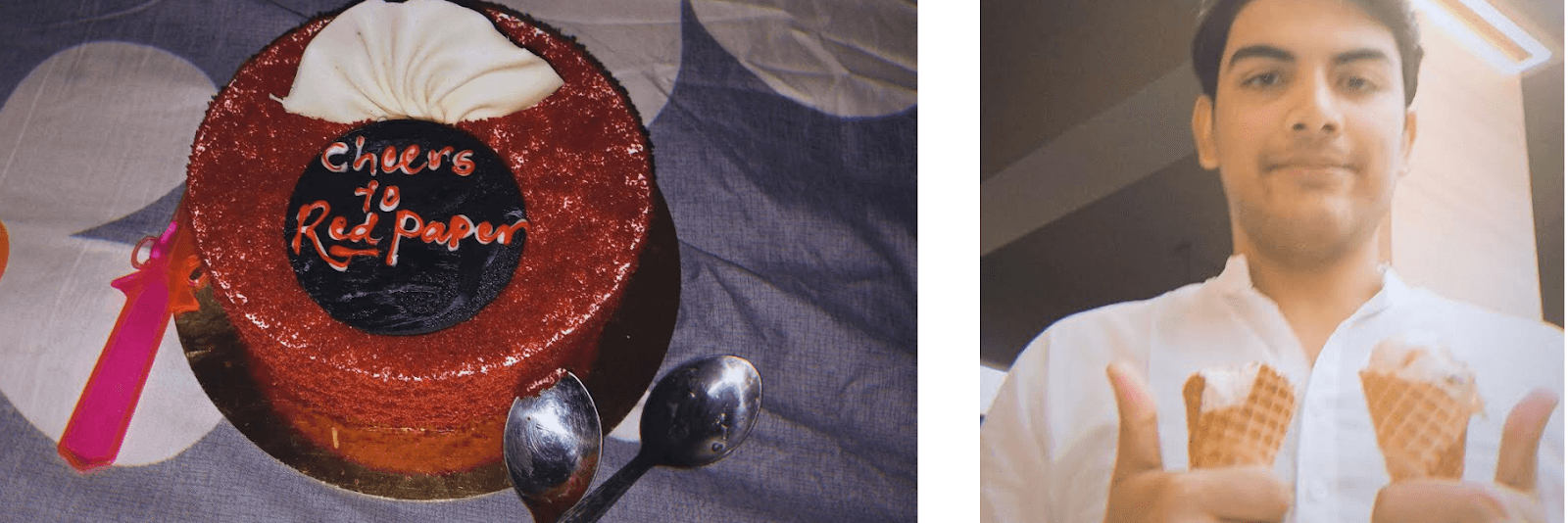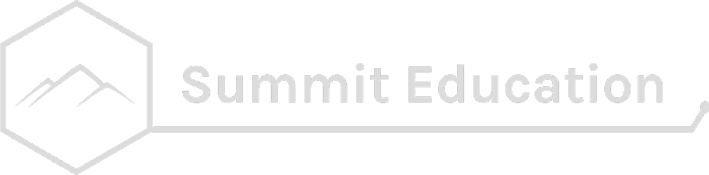
Nishant Raj is a high school student from Nepal with a strong passion for STEM, particularly mathematics, computer science, and bioengineering. He currently serves as president of the Trinity Olympiad Society, where he organized the school’s first district-level Olympiad. Beyond academics, Nishant founded a social initiative called Red Paper, which works to improve access to legal information by addressing systemic challenges such as corruption and racism. The initiative also promotes local culture and art, highlighting obstacles that Nepali artists face, including sexism and language barriers.
Nishant was especially inspired by the networking skills he learned from SSF mentor Isabella, and he is now seeking more opportunities to engage in hands-on research. He is currently participating in the Stanford IGM Bioengineering program, where he is researching Autism Spectrum Disorder and developing an early diagnosis tool. In addition, he is collaborating with the Nepal-based Institute of Rural Development to build a new chatbot model. Read on to learn more about Nishant, his innovative projects, and future goals!
Meet Nishant!
How did you initially become interested in STEM?
My interest in STEM started with a basic curiosity about how things work. As a child, I often asked questions, seeking explanations for the world around me. I remember learning about how a rotary spins, which piqued my interest because I used motors to make cars. It was enlightening to realize that there’s more to it than just saying it spins because electricity flows. As I grew older and delved deeper into science and physics, I began to understand the reasons behind various phenomena. I connected this learning process to STEM, recognizing that it also has a creative side. There’s not just one right way to approach a problem; you can explore different methods and still achieve great results!
What academic subjects or fields of STEM are you most interested in?
I especially enjoy subjects where logic flows, and I can think with a pattern recognition approach. Mathematics is closest to that, especially when connected with algorithms and data science. I recently learned about computer science, and I find that the combination of computer science and mathematics, particularly the data aspect, resonates with me. I’m also excited to explore more niche subjects in college!
What extracurricular activities are you involved in?
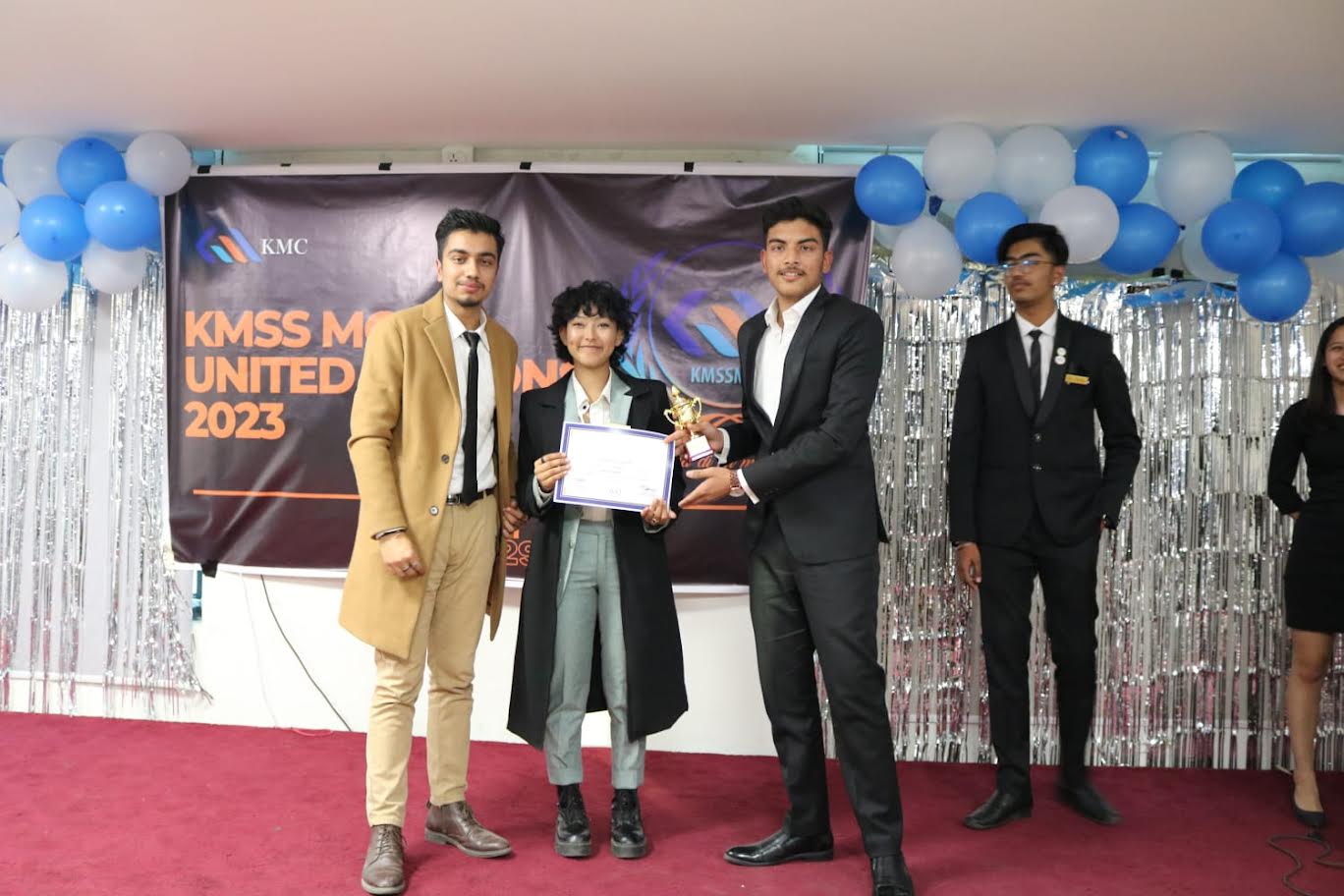
I’ve been involved in various extracurricular activities, especially after moving to Kathmandu! My first significant experience was with the Model United Nations (MUN). I participated in MUN, which led me to learning about Olympiads, eventually becoming part of the organizing team for the Trinity Olympiad Society. I started as an executive member and enjoyed it because Olympiads involve not just academics, but also research and community engagement. I eventually became the president of the society and organized the first district Olympiad in my school, which focused on mathematics and attracted participants from various places.
Fellowship Experience
What was your favorite part about the Summit STEM Fellowship?
I really enjoyed meeting all of the mentors and listening to their sessions; the networking opportunities were fantastic. One of my favorite mentors was Anne. She was incredibly supportive and encouraging, and shared so much thoughtful advice. I also loved completing the weekly homework deliverables. They were surprisingly insightful, asking questions I had considered before but never explicitly articulated. They helped me understand where I currently stand and where I want to go, giving me a much clearer sense of my trajectory.
Which event, talk, or speaker stood out to you during the fellowship?
They were all fantastic, but if I had to choose one, it would be Karen Ge, who taught the Digital Humanities class. It was inspiring to see how data can be tracked from a text and how sentiment analysis can trace the history of movements from Europe to China. Learning about the process used and the code structure in the digital humanities opened my eyes to the idea that we don’t always have to focus solely on computer science, math, or physics; there’s so much more out there!
Another speaker who stood out was Kasha Akrami, who was humble and approachable, explaining things clearly without boasting about his achievements. Lastly, Feiyang Liu from UC Berkeley, who is now my counselor, provided great support and clarity on the scholarship application process, which can be overwhelming for someone like me from Nepal planning to apply to U.S. universities.
What specific skills or takeaways did you learn from the fellowship?
I learned a lot about communication! Before the fellowship, I thought I should just do my work quietly and keep it to myself, but I realized that sharing what I’m doing can help me understand different perspectives. When we communicate our thoughts and feelings, it not only validates us but also provides insights into what might be right or wrong in our thinking. Networking was another important takeaway.
Isabella Delbakhsh’s Fireside Chat emphasized the power of networking, sharing how it helped her publish her book and grow as a person. This inspired me to connect with various mentors and ask questions about my field and projects. Additionally, I learned to understand people better, especially the cultural differences between the US and Nepal. It really opened my eyes to the broader world beyond my immediate surroundings!
What advice would you give to future Summit STEM fellows?
My first piece of advice, especially for international students, is to maintain a good sleep schedule! Also, don’t procrastinate; complete your deliverables on time. In the first week, I was slow with my submissions and ended up doing everything at the last minute. I realized that if I had given myself more time, I could have included more content. So, the next week, I decided to be more proactive. I aimed to answer one question a day and do a little research, which helped me discover parts of myself I never knew existed!
Future Aspirations
What are your future aspirations, and do you have a specific career path in mind?
My interests change frequently, and I’m someone who doesn’t like to confine myself to one standard. Right now, I’m really interested in entrepreneurship and solving problems. I see problems as opportunities to help people, which aligns with entrepreneurship. I also have an interest in AI and molecular biology. I want to seek challenges that motivate me, and I’ve found that working on things I’m passionate about helps me stay calm. So, I’m looking at entrepreneurship, medicine, molecular biology, AI, and possibly being part of a startup.
How has the Summit STEM Fellowship influenced your career aspirations?
The fellowship has influenced me a lot, especially in terms of leadership! It has helped me visualize how I can handle pressure and what I can achieve with the skills I’ve developed. The Summit STEM Fellowship has helped me envision my future in various roles. For instance, I often think about working at a data-driven company like Palantir, which emphasizes strong values. I had the opportunity to hear from a mentor who interned there, Rayan Krishnan, and he provided a trajectory that resonated with me. His journey was similar to what I hope to pursue in the next five to ten years, which inspired me to see myself in a leadership role at such an organization.
What projects have you been involved in since the fellowship?
After the fellowship, I joined the Stanford IGM Bioengineering program, where I researched Autism Spectrum Disorder (ASD). I worked on a research draft proposing an Early Diagnosis Tool for ASD, which aims to use multimodal datasets to predict autism based on a few questions. This involves analyzing video, audio, and facial expressions simultaneously, which is quite challenging but so fascinating!
I’m also working with a Nepal-based organization called the Institute of Rural Development, which is run by alumni who studied in the U.S. I’m part of a niche project where we’re using the Google Development Toolkit to create a chatbot that provides personalized responses to users' inquiries. I’ve really enjoyed working on this project!