Summer 2026 applications are now open. Fill out a 2026 Summit Application here!

Summer 2026 applications are now open. Fill out a 2026 Summit Application here!

Summer 2026 applications are now open. Fill out a 2026 Summit Application here!

Summer 2026 applications now open. Apply here!

Ryan Hernandez

Ryan Hernandez

Ryan Hernandez

Ryan Hernandez

New York, USA

New York, USA

New York, USA

STEM Pathways and Creating Impact Through Engineering

STEM Pathways and Creating Impact Through Engineering

STEM Pathways and Creating Impact Through Engineering

STEM Pathways and Creating Impact Through Engineering

November 14, 2025

November 14, 2025

November 14, 2025

“The Summit STEM Fellowship (SSF) was one of the best experiences I’ve ever had.

“The Summit STEM Fellowship (SSF) was one of the best experiences I’ve ever had.

“The Summit STEM Fellowship (SSF) was one of the best experiences I’ve ever had.

“The Summit STEM Fellowship (SSF) was one of the best experiences I’ve ever had.

It was truly transformative. I was taught far more than academic knowledge; I gained both personal and professional growth skills. I would definitely recommend this fellowship to other students!” “Summit Research Scholars (SRS) was an amazing program that was extremely informative. We learned about various topics, from writing scientific research documents to programming skills. If you put in the effort, this program will give you so much in return!”

It was truly transformative. I was taught far more than academic knowledge; I gained both personal and professional growth skills. I would definitely recommend this fellowship to other students!” “Summit Research Scholars (SRS) was an amazing program that was extremely informative. We learned about various topics, from writing scientific research documents to programming skills. If you put in the effort, this program will give you so much in return!”

It was truly transformative. I was taught far more than academic knowledge; I gained both personal and professional growth skills. I would definitely recommend this fellowship to other students!” “Summit Research Scholars (SRS) was an amazing program that was extremely informative. We learned about various topics, from writing scientific research documents to programming skills. If you put in the effort, this program will give you so much in return!”

It was truly transformative. I was taught far more than academic knowledge; I gained both personal and professional growth skills. I would definitely recommend this fellowship to other students!” “Summit Research Scholars (SRS) was an amazing program that was extremely informative. We learned about various topics, from writing scientific research documents to programming skills. If you put in the effort, this program will give you so much in return!”

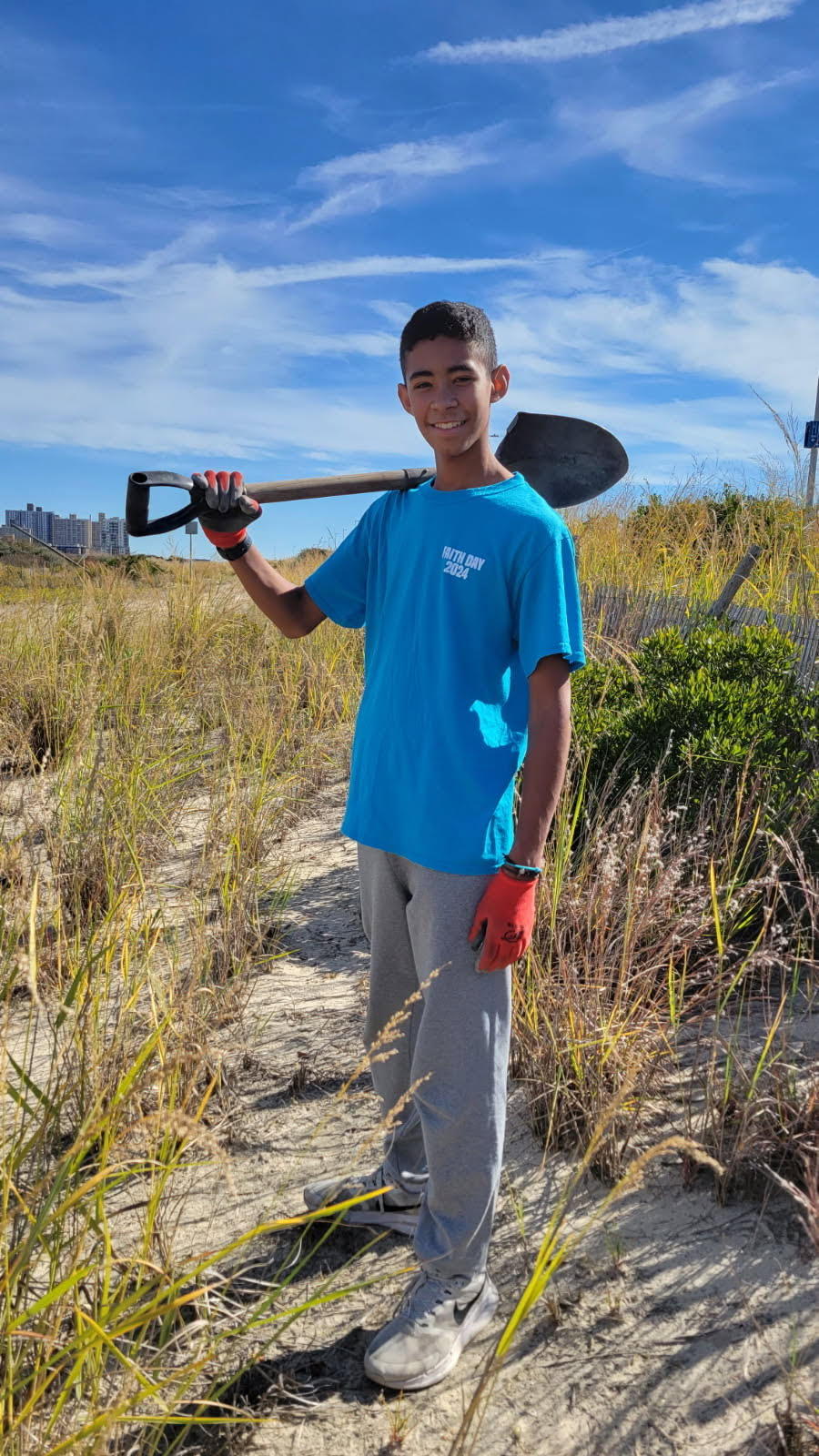
Ryan Hernandez is a high school student from New York who was inspired by his grandfather to develop a passion for both engineering and environmental science. He has been an active member of his community’s ACE (Architecture, Construction, and Engineering) program, where he works on hands-on engineering projects. 

Ryan participated in both the Summit STEM Fellowship (SSF) and Summit Research Scholars (SRS) in 2025. He is now focused on earning a degree in engineering and gaining hands-on experience through internships and self-learning in areas like coding, with aspirations of starting his own engineering-related business in the future. Read on to learn more about Ryan, his journey in STEM, and his future goals!

Meet Ryan!

How did you initially become interested in STEM?

I initially became interested in STEM through my grandpa, who is an electrical engineer and started his own business. When I visited him in the summer, I found his hard work and determination inspiring. I got to see the impact of his work and learn how he built a company. I also learned that a STEM career offers more than just a job; it provides the chance to be an innovative leader!

What academic subjects or fields of STEM are you most interested in?

After witnessing my grandpa's STEM career, I became interested in engineering because it’s fundamentally about problem-solving. You need to understand mathematical and scientific concepts and apply that knowledge to design and build solutions that impact others. Additionally, I have a strong interest in environmental science, as I’ve always been curious about how the environment works and how to address issues like pollution. Both fields involve providing solutions, which I find fascinating!

What extracurricular activities are you involved in?

I'm currently involved in an ACE membership program, which stands for architecture, construction, and engineering. This program encourages my interest in engineering through hands-on projects that require problem-solving skills, allowing me to see how creativity and engineering connect. We learn about how projects work with architects in construction and engineering. Recently, we explored how to make a hypothetical tunnel from Long Island to Connecticut work, which was particularly interesting due to the challenges involved in creating such a long structure underwater.

Outside of school, I enjoy cooking, running, and playing tennis with my friends. I also love camping; it’s a lot of fun! Currently, I'm involved in cross-country, which has been a great experience running with my team.
Summit STEM Fellowship (SSF) Experience

What was your favorite part about the Summer STEM Fellowship?

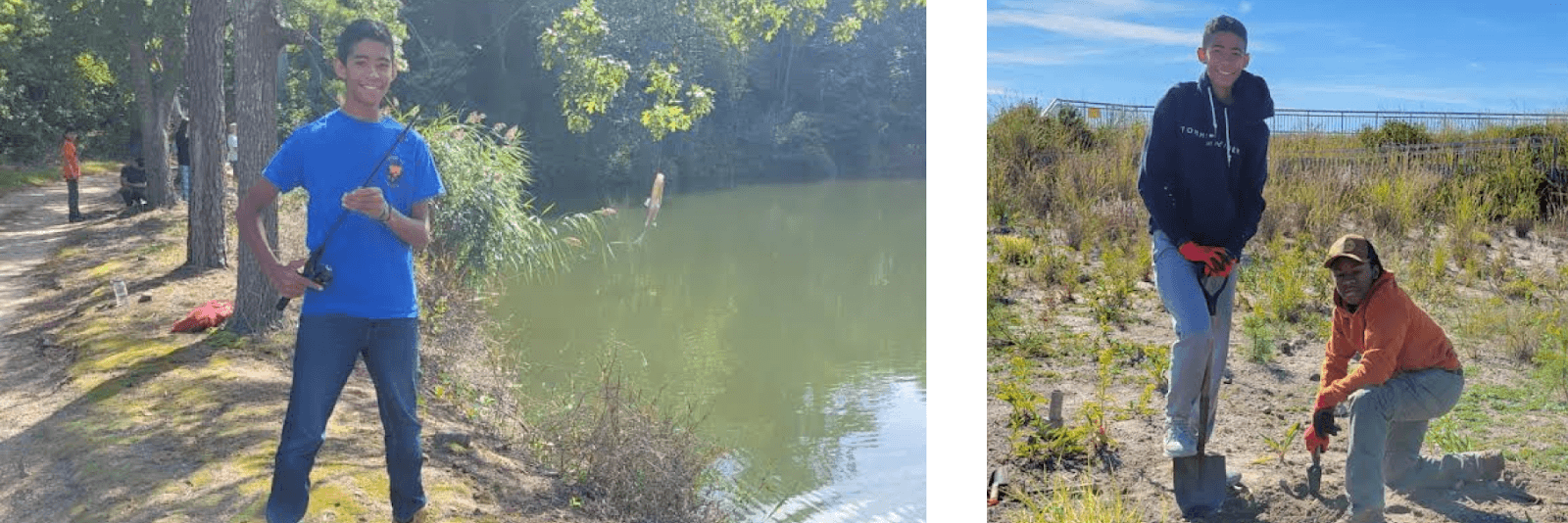
My favorite part would have to be the science trivia and the career panels. The career panels provided insights into how STEM can be applied to real-world career paths and the day-to-day responsibilities in different careers. I particularly enjoyed the Fields Cross Engineering panel, where panelists shared their experiences in startups, the military, and other tech roles! Also, the science trivia was a really fun way to apply my knowledge while engaging with one of the mentors, Isabella, and other students through Kahoot.

Was there a specific event or speaker that stood out to you this summer?

My favorite talk was Isabella Delbakhsh’s Fireside Chat, where she discussed how she started a podcast and wrote a book while still in high school. She emphasized the importance of networking through writing, cold emails, attending events, and getting involved on LinkedIn, which was inspiring. Anne Lee’s Fireside Chat also provided valuable advice about scholarships, introducing me to several opportunities I hadn’t known about before.

What specific skills or takeaways did you learn from the fellowship?

One key skill I learned was time management. We discussed not just what to study but also how to manage demanding workloads, which has been so helpful. We were introduced to methods like the Eisenhower Matrix for prioritizing tasks and the Pomodoro Technique for focused study sessions. Additionally, I was introduced to a wide range of topics; we covered so many interesting and valuable skills, from game design to starting a business and decision-making.

To me, discipline stands out as the most valuable skill. While learning various life and STEM skills is important, realizing that these skills are ineffective without the determination to apply them is crucial. Success in STEM isn't just about knowledge; it also requires the discipline to complete important tasks and manage projects effectively.

What advice would you give to future Summit STEM fellows?

I would advise future fellows to get involved and network with other students, as that was one of the best things I did. I met many amazing people I can turn to for help. Staying for optional events is also important, as they offer numerous networking and learning opportunities. There are many mentors available, and taking advantage of these events can be incredibly beneficial.

I really enjoyed the program; it was a great experience! When I first heard about it, I thought it was a fantastic opportunity for STEM. As I got deeper into it, I realized there were so many people involved and so many things to do, making it a wonderful learning experience for me.

Summit Research Scholars (SRS) Experience

What was your favorite part about the Summit Research Scholars (SRS)?

My favorite part about SRS was the research lectures. I really loved how we were given a clear and structured understanding of the research process, from developing a strong research question to beginning a research experiment. The lectures broke down concepts and made research feel more approachable and exciting.

I also really enjoyed the office hours! The interactive environment allowed me to ask questions to mentors, get feedback, and learn from the experiences of others. I particularly loved networking with my peers, and hearing about their research interests and perspectives helped broaden my understanding and inspired new ideas.

Can you describe your research topic and why you chose to explore it?

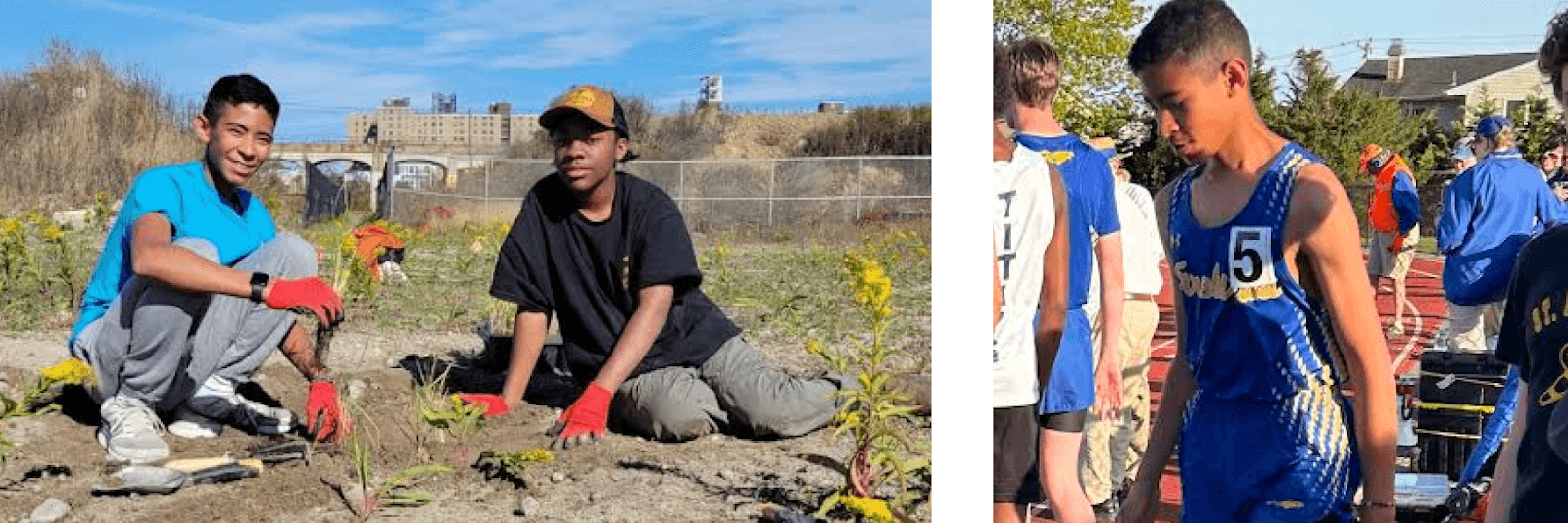
My research topic explored how riparian vegetation processes like bank stabilization, flow resistance, and sediment trapping influence channel morphology and planform in rivers. I particularly focused on how these influences vary in the Hudson River, the Delaware River, and the Toutle River. I’m really passionate about the environment, especially in my local area, so this was a topic I’ve been interested in diving deeper into. In the future, I plan on furthering my research as well!

Looking back, what was the most valuable skill or lesson you learned through SRS?

The most valuable skill I learned was how to write a research proposal. This experience taught me how to clearly organize and structure my ideas into a concrete plan that effectively communicates my research goals and capabilities. I learned how to develop a focused research question and create a preliminary methodology, which helped strengthen my approach to research. The research capstone pushed me to grow, and the experience really boosted my confidence.

What advice would you give to future Summit Research scholars?

Going into SRS, I honestly didn’t know a lot about research! So I’d definitely say to take advantage of the interactive opportunities, especially if you have questions. You can learn so much from the mentors and your peers! For example, I realized that there are various parts to research and how important each of them is to the overall process. After the program, I was honestly shocked when I reviewed everything I had learned and how it all built up to my research capstone! 

Future Aspirations

What career path are you considering, and has Summit influenced your aspirations?

I plan to earn a degree in engineering and will apply for engineering-related internships to reach this goal. In college, I intend to use the skills I’ve learned to work on projects, and eventually, I might start my own business related to engineering.

Participating in SSF provided me with a deeper insight into my engineering goals. While I always knew I wanted to pursue engineering, I didn’t know how to get involved. It showed me the real-world possibilities for a career in STEM and equipped me with skills for starting a business, which will be helpful if I decide to pursue that path. Through various mentors, I’ve connected with people in the engineering field, which is a great start for my future. 

And before SRS, I knew I was interested in the environment and that it was a field I was considering, but I didn’t really know much about environmental research and wasn’t as focused on it. SRS really showed me the passion I have for it. Both programs have shown me how I can combine my love for the environment, engineering, and research!

What have you been up to after the programs ended?

I'm very involved in the ACE program, which has been an amazing experience. I've learned a lot about engineering from various mentors, and working alongside my friends has been fantastic. Additionally, I’ve been teaching myself how to code in my spare time! We’ve been doing more coding in my tech class at school, which is another great way to boost my knowledge. In English class, we’re also beginning to write a research paper on poetry, and I can already see how the interdisciplinary skills I learned during the programs connect to that work as well.
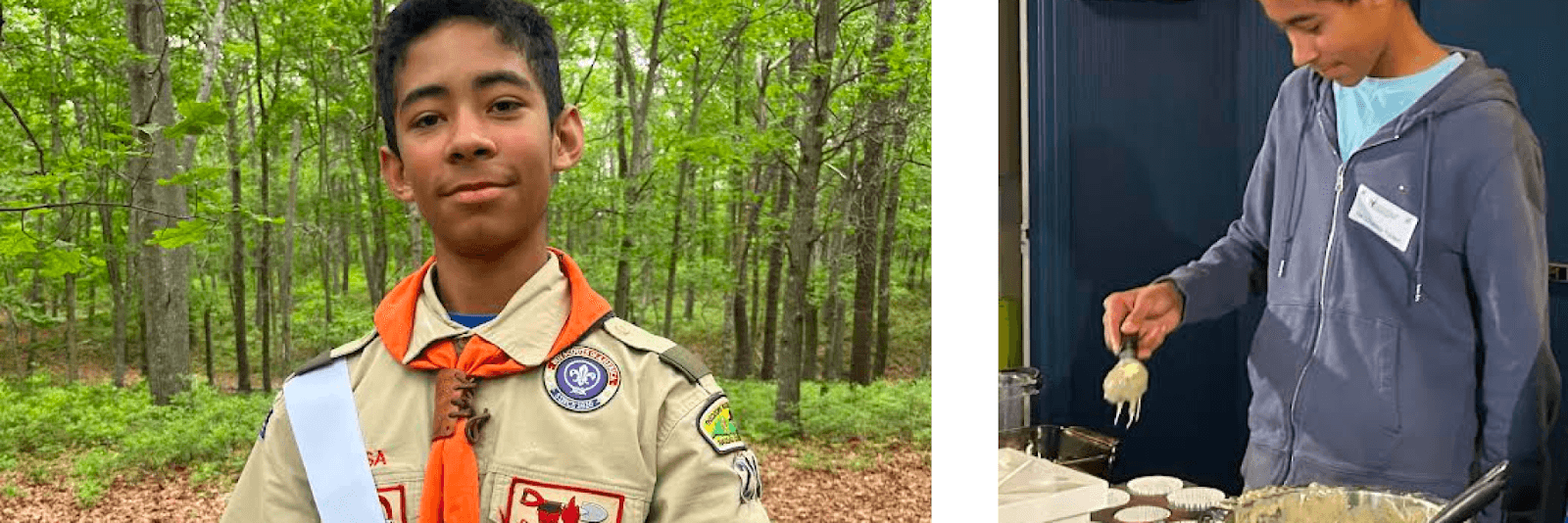
Ryan Hernandez is a high school student from New York who was inspired by his grandfather to develop a passion for both engineering and environmental science. He has been an active member of his community’s ACE (Architecture, Construction, and Engineering) program, where he works on hands-on engineering projects. 

Ryan participated in both the Summit STEM Fellowship (SSF) and Summit Research Scholars (SRS) in 2025. He is now focused on earning a degree in engineering and gaining hands-on experience through internships and self-learning in areas like coding, with aspirations of starting his own engineering-related business in the future. Read on to learn more about Ryan, his journey in STEM, and his future goals!

Meet Ryan!

How did you initially become interested in STEM?

I initially became interested in STEM through my grandpa, who is an electrical engineer and started his own business. When I visited him in the summer, I found his hard work and determination inspiring. I got to see the impact of his work and learn how he built a company. I also learned that a STEM career offers more than just a job; it provides the chance to be an innovative leader!

What academic subjects or fields of STEM are you most interested in?

After witnessing my grandpa's STEM career, I became interested in engineering because it’s fundamentally about problem-solving. You need to understand mathematical and scientific concepts and apply that knowledge to design and build solutions that impact others. Additionally, I have a strong interest in environmental science, as I’ve always been curious about how the environment works and how to address issues like pollution. Both fields involve providing solutions, which I find fascinating!

What extracurricular activities are you involved in?

I'm currently involved in an ACE membership program, which stands for architecture, construction, and engineering. This program encourages my interest in engineering through hands-on projects that require problem-solving skills, allowing me to see how creativity and engineering connect. We learn about how projects work with architects in construction and engineering. Recently, we explored how to make a hypothetical tunnel from Long Island to Connecticut work, which was particularly interesting due to the challenges involved in creating such a long structure underwater.

Outside of school, I enjoy cooking, running, and playing tennis with my friends. I also love camping; it’s a lot of fun! Currently, I'm involved in cross-country, which has been a great experience running with my team.

Summit STEM Fellowship (SSF) Experience

What was your favorite part about the Summer STEM Fellowship?

My favorite part would have to be the science trivia and the career panels. The career panels provided insights into how STEM can be applied to real-world career paths and the day-to-day responsibilities in different careers. I particularly enjoyed the Fields Cross Engineering panel, where panelists shared their experiences in startups, the military, and other tech roles! Also, the science trivia was a really fun way to apply my knowledge while engaging with one of the mentors, Isabella, and other students through Kahoot.

Was there a specific event or speaker that stood out to you this summer?

My favorite talk was Isabella Delbakhsh’s Fireside Chat, where she discussed how she started a podcast and wrote a book while still in high school. She emphasized the importance of networking through writing, cold emails, attending events, and getting involved on LinkedIn, which was inspiring. Anne Lee’s Fireside Chat also provided valuable advice about scholarships, introducing me to several opportunities I hadn’t known about before.

What specific skills or takeaways did you learn from the fellowship?

One key skill I learned was time management. We discussed not just what to study but also how to manage demanding workloads, which has been so helpful. We were introduced to methods like the Eisenhower Matrix for prioritizing tasks and the Pomodoro Technique for focused study sessions. Additionally, I was introduced to a wide range of topics; we covered so many interesting and valuable skills, from game design to starting a business and decision-making.

To me, discipline stands out as the most valuable skill. While learning various life and STEM skills is important, realizing that these skills are ineffective without the determination to apply them is crucial. Success in STEM isn't just about knowledge; it also requires the discipline to complete important tasks and manage projects effectively.

What advice would you give to future Summit STEM fellows?

I would advise future fellows to get involved and network with other students, as that was one of the best things I did. I met many amazing people I can turn to for help. Staying for optional events is also important, as they offer numerous networking and learning opportunities. There are many mentors available, and taking advantage of these events can be incredibly beneficial.

I really enjoyed the program; it was a great experience! When I first heard about it, I thought it was a fantastic opportunity for STEM. As I got deeper into it, I realized there were so many people involved and so many things to do, making it a wonderful learning experience for me.


Summit Research Scholars (SRS) Experience

What was your favorite part about the Summit Research Scholars (SRS)?

My favorite part about SRS was the research lectures. I really loved how we were given a clear and structured understanding of the research process, from developing a strong research question to beginning a research experiment. The lectures broke down concepts and made research feel more approachable and exciting.

I also really enjoyed the office hours! The interactive environment allowed me to ask questions to mentors, get feedback, and learn from the experiences of others. I particularly loved networking with my peers, and hearing about their research interests and perspectives helped broaden my understanding and inspired new ideas.

Can you describe your research topic and why you chose to explore it?

My research topic explored how riparian vegetation processes like bank stabilization, flow resistance, and sediment trapping influence channel morphology and planform in rivers. I particularly focused on how these influences vary in the Hudson River, the Delaware River, and the Toutle River. I’m really passionate about the environment, especially in my local area, so this was a topic I’ve been interested in diving deeper into. In the future, I plan on furthering my research as well!

Looking back, what was the most valuable skill or lesson you learned through SRS?

The most valuable skill I learned was how to write a research proposal. This experience taught me how to clearly organize and structure my ideas into a concrete plan that effectively communicates my research goals and capabilities. I learned how to develop a focused research question and create a preliminary methodology, which helped strengthen my approach to research. The research capstone pushed me to grow, and the experience really boosted my confidence.

What advice would you give to future Summit Research scholars?

Going into SRS, I honestly didn’t know a lot about research! So I’d definitely say to take advantage of the interactive opportunities, especially if you have questions. You can learn so much from the mentors and your peers! For example, I realized that there are various parts to research and how important each of them is to the overall process. After the program, I was honestly shocked when I reviewed everything I had learned and how it all built up to my research capstone! 

Future Aspirations

What career path are you considering, and has Summit influenced your aspirations?

I plan to earn a degree in engineering and will apply for engineering-related internships to reach this goal. In college, I intend to use the skills I’ve learned to work on projects, and eventually, I might start my own business related to engineering.

Participating in SSF provided me with a deeper insight into my engineering goals. While I always knew I wanted to pursue engineering, I didn’t know how to get involved. It showed me the real-world possibilities for a career in STEM and equipped me with skills for starting a business, which will be helpful if I decide to pursue that path. Through various mentors, I’ve connected with people in the engineering field, which is a great start for my future. 

And before SRS, I knew I was interested in the environment and that it was a field I was considering, but I didn’t really know much about environmental research and wasn’t as focused on it. SRS really showed me the passion I have for it. Both programs have shown me how I can combine my love for the environment, engineering, and research!

What have you been up to after the programs ended?

I'm very involved in the ACE program, which has been an amazing experience. I've learned a lot about engineering from various mentors, and working alongside my friends has been fantastic. Additionally, I’ve been teaching myself how to code in my spare time! We’ve been doing more coding in my tech class at school, which is another great way to boost my knowledge. In English class, we’re also beginning to write a research paper on poetry, and I can already see how the interdisciplinary skills I learned during the programs connect to that work as well.

Ryan Hernandez is a high school student from New York who was inspired by his grandfather to develop a passion for both engineering and environmental science. He has been an active member of his community’s ACE (Architecture, Construction, and Engineering) program, where he works on hands-on engineering projects. 

Ryan participated in both the Summit STEM Fellowship (SSF) and Summit Research Scholars (SRS) in 2025. He is now focused on earning a degree in engineering and gaining hands-on experience through internships and self-learning in areas like coding, with aspirations of starting his own engineering-related business in the future. Read on to learn more about Ryan, his journey in STEM, and his future goals!

Meet Ryan!

How did you initially become interested in STEM?

I initially became interested in STEM through my grandpa, who is an electrical engineer and started his own business. When I visited him in the summer, I found his hard work and determination inspiring. I got to see the impact of his work and learn how he built a company. I also learned that a STEM career offers more than just a job; it provides the chance to be an innovative leader!

What academic subjects or fields of STEM are you most interested in?

After witnessing my grandpa's STEM career, I became interested in engineering because it’s fundamentally about problem-solving. You need to understand mathematical and scientific concepts and apply that knowledge to design and build solutions that impact others. Additionally, I have a strong interest in environmental science, as I’ve always been curious about how the environment works and how to address issues like pollution. Both fields involve providing solutions, which I find fascinating!

What extracurricular activities are you involved in?

I'm currently involved in an ACE membership program, which stands for architecture, construction, and engineering. This program encourages my interest in engineering through hands-on projects that require problem-solving skills, allowing me to see how creativity and engineering connect. We learn about how projects work with architects in construction and engineering. Recently, we explored how to make a hypothetical tunnel from Long Island to Connecticut work, which was particularly interesting due to the challenges involved in creating such a long structure underwater.

Outside of school, I enjoy cooking, running, and playing tennis with my friends. I also love camping; it’s a lot of fun! Currently, I'm involved in cross-country, which has been a great experience running with my team.

Summit STEM Fellowship (SSF) Experience

What was your favorite part about the Summer STEM Fellowship?

My favorite part would have to be the science trivia and the career panels. The career panels provided insights into how STEM can be applied to real-world career paths and the day-to-day responsibilities in different careers. I particularly enjoyed the Fields Cross Engineering panel, where panelists shared their experiences in startups, the military, and other tech roles! Also, the science trivia was a really fun way to apply my knowledge while engaging with one of the mentors, Isabella, and other students through Kahoot.

Was there a specific event or speaker that stood out to you this summer?

My favorite talk was Isabella Delbakhsh’s Fireside Chat, where she discussed how she started a podcast and wrote a book while still in high school. She emphasized the importance of networking through writing, cold emails, attending events, and getting involved on LinkedIn, which was inspiring. Anne Lee’s Fireside Chat also provided valuable advice about scholarships, introducing me to several opportunities I hadn’t known about before.

What specific skills or takeaways did you learn from the fellowship?

One key skill I learned was time management. We discussed not just what to study but also how to manage demanding workloads, which has been so helpful. We were introduced to methods like the Eisenhower Matrix for prioritizing tasks and the Pomodoro Technique for focused study sessions. Additionally, I was introduced to a wide range of topics; we covered so many interesting and valuable skills, from game design to starting a business and decision-making.

To me, discipline stands out as the most valuable skill. While learning various life and STEM skills is important, realizing that these skills are ineffective without the determination to apply them is crucial. Success in STEM isn't just about knowledge; it also requires the discipline to complete important tasks and manage projects effectively.

What advice would you give to future Summit STEM fellows?

I would advise future fellows to get involved and network with other students, as that was one of the best things I did. I met many amazing people I can turn to for help. Staying for optional events is also important, as they offer numerous networking and learning opportunities. There are many mentors available, and taking advantage of these events can be incredibly beneficial.

I really enjoyed the program; it was a great experience! When I first heard about it, I thought it was a fantastic opportunity for STEM. As I got deeper into it, I realized there were so many people involved and so many things to do, making it a wonderful learning experience for me.


Summit Research Scholars (SRS) Experience

What was your favorite part about the Summit Research Scholars (SRS)?

My favorite part about SRS was the research lectures. I really loved how we were given a clear and structured understanding of the research process, from developing a strong research question to beginning a research experiment. The lectures broke down concepts and made research feel more approachable and exciting.

I also really enjoyed the office hours! The interactive environment allowed me to ask questions to mentors, get feedback, and learn from the experiences of others. I particularly loved networking with my peers, and hearing about their research interests and perspectives helped broaden my understanding and inspired new ideas.

Can you describe your research topic and why you chose to explore it?

My research topic explored how riparian vegetation processes like bank stabilization, flow resistance, and sediment trapping influence channel morphology and planform in rivers. I particularly focused on how these influences vary in the Hudson River, the Delaware River, and the Toutle River. I’m really passionate about the environment, especially in my local area, so this was a topic I’ve been interested in diving deeper into. In the future, I plan on furthering my research as well!

Looking back, what was the most valuable skill or lesson you learned through SRS?

The most valuable skill I learned was how to write a research proposal. This experience taught me how to clearly organize and structure my ideas into a concrete plan that effectively communicates my research goals and capabilities. I learned how to develop a focused research question and create a preliminary methodology, which helped strengthen my approach to research. The research capstone pushed me to grow, and the experience really boosted my confidence.

What advice would you give to future Summit Research scholars?

Going into SRS, I honestly didn’t know a lot about research! So I’d definitely say to take advantage of the interactive opportunities, especially if you have questions. You can learn so much from the mentors and your peers! For example, I realized that there are various parts to research and how important each of them is to the overall process. After the program, I was honestly shocked when I reviewed everything I had learned and how it all built up to my research capstone! 

Future Aspirations

What career path are you considering, and has Summit influenced your aspirations?

I plan to earn a degree in engineering and will apply for engineering-related internships to reach this goal. In college, I intend to use the skills I’ve learned to work on projects, and eventually, I might start my own business related to engineering.

Participating in SSF provided me with a deeper insight into my engineering goals. While I always knew I wanted to pursue engineering, I didn’t know how to get involved. It showed me the real-world possibilities for a career in STEM and equipped me with skills for starting a business, which will be helpful if I decide to pursue that path. Through various mentors, I’ve connected with people in the engineering field, which is a great start for my future. 

And before SRS, I knew I was interested in the environment and that it was a field I was considering, but I didn’t really know much about environmental research and wasn’t as focused on it. SRS really showed me the passion I have for it. Both programs have shown me how I can combine my love for the environment, engineering, and research!

What have you been up to after the programs ended?

I'm very involved in the ACE program, which has been an amazing experience. I've learned a lot about engineering from various mentors, and working alongside my friends has been fantastic. Additionally, I’ve been teaching myself how to code in my spare time! We’ve been doing more coding in my tech class at school, which is another great way to boost my knowledge. In English class, we’re also beginning to write a research paper on poetry, and I can already see how the interdisciplinary skills I learned during the programs connect to that work as well.

Summit Education hosts virtual summer programs for high-achieving students in grades 8–12 from around the world. We are proud to have supported over 1,000 alumni across 60+ countries. Learn more about our alumni through the Student Spotlights series, and stay up to date by subscribing to the Summit Education Newsletter. To learn more about our programs, including the Summit STEM Fellowship (SSF) and Summit Research Scholars (SRS), please visit summiteducation.org.